__everything is planned. Everything avoids the question__
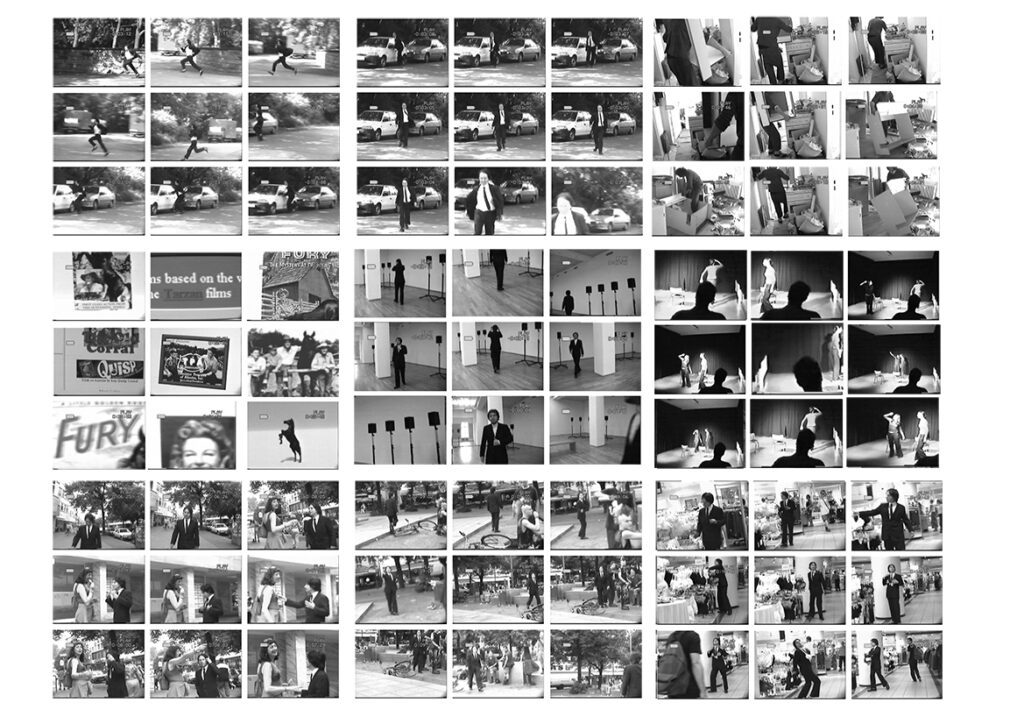
I am captivated by the contradiction between a need for control and the avoidance of fundamental truths. This concept aligns with my shifting perspectives on planning, fate, and behavior. I tend to over-plan my life and career to create a sense of security, often treating a plan as a rigid document rather than a fluid process. This leads me to bypass the essential “why” in favor of superficial, controllable details. While my formal plans rarely survive the friction of reality, the act of planning itself forces reflection and prepares me for the unexpected, whereas clinging to a fixed path stifles necessary adaptation. Often, I use planning as a shield against existential questions or the fear of the unknown, avoiding the debate between free will and destiny. While life remains chaotic despite my efforts, avoiding the “messy” questions usually means bypassing the most necessary parts of the process. Preparation is vital, but the obsession with a perfect plan is merely a defense mechanism.(CW)